From playground races to televised finals and online prize draws, competition is everywhere. People celebrate victories, remember winning for years and often feel a powerful emotional lift when they come out on top.
But why does winning matter so much to us? Is it something society has taught us, or is the desire to compete built into human nature?
Science suggests the answer lies deep in our evolutionary past. Long before modern sports and competitions existed, winning played a crucial role in survival. That instinct has never left us. It has simply evolved.
Here, Match Point Competitions writer Ben Phillips analyses why we compete and examines the reasons why winning feels so rewarding.
Competition as a survival tool
Early humans lived in environments where resources were limited. Food, shelter and safety were not guaranteed. Competing successfully for these resources often meant survival.
Those who hunted better, solved problems faster or earned respect within their group were more likely to thrive. Winning in these situations was not symbolic. It was essential.
Over thousands of years, the human brain adapted to reward success. The emotional satisfaction we feel today after winning is a leftover response from a time when success directly improved chances of survival.
Why the brain rewards winning
Modern neuroscience helps explain why winning still feels so powerful.
When we win, the brain releases dopamine, a chemical linked to motivation and pleasure. Dopamine encourages behaviour that leads to positive outcomes. From an evolutionary perspective, this made sense. If a certain action led to success, the brain wanted us to repeat it.
Winning also triggers adrenaline and endorphins. Together they create excitement, energy and emotional intensity. These reactions helped early humans stay alert and focused during competitive situations.
Today, those same chemicals activate whether we win a race, a match or a competition prize.
The social importance of competition
Humans have always lived in groups. Social standing mattered just as much as physical skill.
In early societies, those who demonstrated ability, leadership or bravery gained trust and influence. Winning signalled competence. It helped individuals attract allies and protection.
Even now, success carries social value. Winning brings recognition, respect and validation. It boosts confidence and reinforces a sense of belonging.
Competitions continue to serve this role by offering moments where individuals can stand out and be celebrated.
Why do we compete even when survival is not at stake
Modern competitions rarely affect survival. Yet the emotional response remains strong.
The reason is simple. The brain has not changed as fast as society. It still reacts to competition as if something important is on the line.
Winning tells the brain that we have succeeded in a challenge. Losing tells it to adapt and improve. Both responses help us grow.
This is why people enjoy competitive experiences even when the stakes are low. The emotional payoff is still real.
The role of play in human evolution
Competition often appears in the form of play. Sports games and challenges are universal across cultures.
Anthropologists believe that play helped early humans develop skills safely. Through playful competition, people learned strategy, cooperation and problem solving.
Winning in play reinforced learning. Losing encouraged adaptation. This made competition an effective evolutionary training tool.
Modern competitions continue this tradition. They offer challenge, excitement and learning without serious risk.
Why winning feels personal
Winning often feels deeply personal, even when it involves chance.
This is because the brain associates success with identity. Achieving a positive outcome strengthens self-belief and confidence. It confirms capability, luck or timing, all of which feed into self-perception.
Competitions offer a clear outcome. You either win or you do not. That clarity gives the brain a strong signal, which makes the experience memorable.
Are we all equally competitive?
Not everyone feels the same drive to compete. Personality, experience and environment all play a role.
However, research shows that most people respond positively to some form of winning. It does not have to be public or high-pressure. Even private successes trigger similar brain responses.
Competitions offer different ways to engage. Some enjoy direct rivalry. Others prefer chance-based draws. Both satisfy the brain’s desire for reward and achievement.
As society has become more digital, competitions have adapted.
Online draws, live announcements and social media engagement have made winning more visible and accessible. These formats tap into the same ancient instincts while fitting modern lifestyles.
The excitement of watching a live draw or seeing a winner announced mirrors the suspense of historical contests. The emotional journey remains the same.
Why do we enjoy watching winning
Interestingly, people often enjoy watching others win even when they do not take part themselves.
This is linked to empathy and mirror neurons. The brain experiences a version of the winner’s joy, which creates positive emotion.
Shared victories strengthen community bonds. In early societies, group success mattered. Celebrating wins together reinforced cooperation.
Live competitions and shared draws recreate this collective experience.
Competition without harm
While competition is natural, it works best when balanced.
Healthy competitions focus on fairness, transparency and enjoyment. When the process feels safe and inclusive, the emotional benefits of winning remain positive.
Responsible competition platforms understand that excitement should never come at the cost of well-being.
Why competitions still matter today
Competitions offer more than prizes. They provide excitement, motivation and moments of joy.
They tap into ancient instincts that encourage engagement, optimism and resilience. Winning feels good because it always has.
Even in a modern world filled with technology and routine, those evolutionary rewards still matter.
Final thought: Built to compete
Humans are wired to compete, not because we crave conflict but because competition once helped us survive.
Winning signals success, progress and possibility. Competitions give us a structured way to experience those feelings in a safe, enjoyable environment.
That is why the thrill of winning never fades. It is part of who we are.
Hope is one of the most powerful forces in human psychology. It keeps people moving forward during difficult times and gives meaning to future possibilities.
In the world of competitions, hope plays a central role. It is the feeling that something good could happen and that belief alone can have a positive impact on mood, mindset and motivation.
Understanding why hope matters helps explain why competitions remain so popular and why people continue to enter even when the odds are long.
Here, MatchPoint Competitions writer Ben Phillips delves into what makes hope so powerful regarding entering competitions.
Competitions and the psychology of hope
At its core, hope is about possibility. When someone enters a competition, they are not just buying a ticket or submitting an entry. They are opening the door to a potential positive outcome.
Psychologists describe hope as a mental state made up of expectation, belief and motivation.
Competitions bring all three together. There is a clear goal a possible reward and a defined moment when that hope could become reality.
That combination makes hope feel tangible rather than abstract.
Why competitions trigger optimism
Optimism is the belief that good things can happen in the future. Competitions naturally encourage this outlook.
When someone enters a draw, their brain begins to imagine winning. That imagination activates reward pathways and creates positive emotion.
Even before the result is known, the brain benefits from that optimistic thinking.
This is why competitions often feel uplifting rather than stressful. They offer a positive future scenario without demanding effort or long-term commitment
Hope fuels action. People are more likely to engage with activities when they believe a positive outcome is possible.
Competitions give people a reason to check updates, follow live draws and stay engaged with a platform. That motivation is not driven by pressure but by excitement.
Hope keeps people involved without feeling overwhelmed. It is a light motivating force rather than a heavy obligation.
Competitions as a source of emotional resilience
Emotional resilience is the ability to cope with stress, setbacks and uncertainty. Hope plays a major role in building that resilience.
During challenging periods, people often look for moments of positivity or anticipation. Entering competitions provides that emotional anchor. It gives people something to look forward to without requiring major emotional investment.
That sense of possibility can soften difficult days and offer brief mental relief. It does not solve problems, but it helps people cope with them.
The brain chemistry behind hope and competitions
Hope is closely linked to dopamine, the neurotransmitter associated with motivation and anticipation.
Dopamine is released not only when we receive a reward, but when we expect one. Competitions are powerful because they extend that anticipation over time. From entry to draw, the brain stays engaged.
This ongoing dopamine release creates mild excitement, focus and emotional lift. It explains why people often enjoy the waiting period as much as the outcome.
Why entering competitions feels empowering
In many areas of life, outcomes feel out of our control. Work finances and daily pressures often come with limits and constraints.
Competitions flip that feeling. They offer a scenario where anyone can win. That sense of fairness and accessibility is empowering.
Even though chance is involved, the act of entering creates a feeling of participation. People feel included rather than excluded and that sense of agency supports positive mental wellbeing.
Competitions and the power of small wins
Not all hope needs to be life changing. Small hopes matter just as much.
A modest prize, a simple reward or even the excitement of a live draw can provide a meaningful boost. Psychologists often highlight the importance of small positive expectations in maintaining emotional balance.
Competitions deliver these small hopes regularly. They become moments of lightness in otherwise routine days.
Many people enter competitions repeatedly, not because they expect to win every time but because they value the feeling hope provides.
Hope creates continuity. It encourages future thinking and optimism. Each new draw resets that feeling and keeps people emotionally engaged.
This is why responsible competition platforms focus on experience as much as prizes. The emotional journey matters.
Competitions as positive escapism
Escapism often gets a negative reputation, but in moderation, it can be healthy.
Competitions offer a form of positive escapism. They allow people to imagine a different scenario, a surprise win, or a moment of joy. This mental shift can reduce stress and improve mood.
Unlike passive escapism, competitions involve participation and anticipation, which makes them more engaging and uplifting.
Social connection in competitions
Hope becomes even stronger when it is shared.
Watching live draws, commenting with others and celebrating winners creates a communal experience. Shared hope builds connection and belonging. It reminds people they are part of something larger.
This social aspect strengthens the emotional impact of competitions and turns individual anticipation into collective excitement.
Why hope matters even when you do not win
Hope does not disappear when a competition ends without a win. In many cases, it simply resets.
Because competitions are ongoing, the sense of possibility remains. That continuity helps maintain optimism without emotional crash.
People can enjoy hope without tying their self-worth to the outcome. This balance is what keeps the experience positive.
The importance of responsible hope
Hope must remain healthy. Responsible competition design ensures transparency, fairness and clear expectations.
When people trust the process, hope feels safe rather than risky. That trust protects mental wellbeing and keeps the experience enjoyable.
Hope should inspire excitement not pressure and good competition platforms understand that balance.
The long-term impact of hopeful thinking
Hopeful thinking has long-term benefits. Studies link hope with better stress management, improved mood and greater emotional resilience.
Competitions provide a simple, accessible way for people to practise hopeful thinking in everyday life. Each entry reinforces the idea that positive outcomes are possible.
That mindset can carry into other areas of life, influencing confidence, motivation and outlook.
Final thought: Why hope keeps competitions alive
Hope is not about winning every time. It is about believing that something good could happen.
Competitions give hope a structure, a timeline and a shared experience. They turn abstract optimism into something people can feel and follow.
In a fast-paced world filled with uncertainty, that feeling matters. Hope fuels motivation, optimism and resilience. And that is why competitions continue to capture attention, hearts and imagination.
Winning is more than a moment of celebration. Whether it is a prize draw, a competition, or a surprise reward, that feeling of success can have a real impact on mental well-being and self-confidence. The effects go beyond excitement. They can lift mood, change mindset and even influence behaviour long after the win itself.
So, what is it about winning that makes us feel so good and why does it stay with us?
Here, MatchPoint Competitions writer Ben Phillips looks into the effect that winning has on our mental well-being and confidence.
The instant emotional lift
The moment someone wins, their brain responds immediately. Chemicals linked to pleasure, motivation and excitement are released all at once. Dopamine surges, creating joy and alertness, while adrenaline adds energy and intensity.
This chemical reaction explains the smiles, laughter, disbelief and even tears that often follow a win. It is a genuine emotional release. For many people, it cuts through stress, anxiety and everyday pressure in a way few other moments can.
Even a small win can provide a powerful emotional reset.
Modern life is busy, noisy and demanding. Many people carry low-level stress without even realising it. Winning interrupts that cycle.
For a brief moment, worries fade into the background. Bill’s deadlines and responsibilities pause. The brain shifts focus from pressure to positivity and relief.
Psychologists often describe this as a mental holiday. It gives the mind permission to relax and enjoy something purely good. That pause alone can improve mood and mental clarity.
Why winning boosts confidence
Confidence grows when we experience success. Winning reinforces the belief that good things can happen and that effort or participation can pay off.
This effect is sometimes called the winner effect. When people win, their brains strengthen pathways associated with achievement and self-belief. It makes them feel more capable, more optimistic and more willing to try again.
That boost does not stay limited to competitions. People often report feeling more confident at work, more social in conversations and more positive in decision-making after a win.
Validation and self-worth
Winning also brings validation. It confirms that you were chosen and that luck or opportunity landed in your favour.
For many people, this taps into self-worth. Being a winner can feel affirming, especially during times when confidence is low or progress feels slow. It is a reminder that outcomes are not always negative and that positive moments do arrive.
This feeling of being recognised, even randomly, can be deeply uplifting.
The power of surprise
One reason winning feels so powerful is that it is unexpected. The human brain reacts more strongly to surprises than to planned rewards.
Saving up and buying something feels satisfying. Winning the same thing feels electric. The shock creates a stronger emotional imprint, which makes the moment more memorable and more meaningful.
Surprise rewards are processed as emotional highlights. The brain remembers them longer and associates them with happiness.
Shared joy strengthens the effect
Winning rarely stays private. Most people share the news immediately with family, friends or online communities. That sharing matters.
When others celebrate your win, your brain releases oxytocin, the hormone linked to bonding and trust. Congratulations messages, smiles and shared excitement multiply the emotional impact.
This is why winner announcements and reaction videos resonate so strongly. The joy becomes collective and that shared positivity boosts wellbeing for everyone involved.
Even watching others winning feels good
Interestingly, you do not have to win yourself to feel the benefits. Watching others celebrate a win can still lift the mood.
Mirror neurons in the brain allow people to emotionally experience someone else’s happiness. Seeing genuine joy triggers empathy and warmth, which can improve mental state.
This is why people enjoy live draws and winner stories. They provide feel-good moments even for those still waiting for their turn.
Small wins matter too
Not all wins are life changing. But even small prizes or modest rewards can have a meaningful impact.
Psychologists often highlight the importance of small wins in maintaining motivation and emotional balance. A small success reinforces progress and positivity. It reminds the brain that effort, participation and hope are worthwhile.
In this way, winning becomes about more than value. It becomes about experience.
While the emotional high of winning fades, the mindset shift can last. People often carry a renewed sense of optimism after a win. They become more open, more hopeful and more engaged.
This positive outlook can influence future behaviour. Entering competitions again, trying new opportunities, or simply approaching life with a lighter mindset are all common outcomes.
Winning does not solve problems, but it can change how people face them.
A healthy relationship with winning
It is important to note that winning feels best when it is part of a balanced, healthy experience. Responsible competitions, transparent processes and realistic expectations ensure that the feel-good factor remains positive.
When approached as entertainment, excitement and opportunity, winning enhances wellbeing rather than replacing it.
Final thought
Winning taps into something deeply human. It lifts mood, builds confidence and reminds us that positive surprises still exist. In a world that often feels predictable or stressful, that moment of joy can make a genuine difference.
Whether it is a major prize or a small victory, the emotional benefits are real. Winning does not just change what you have. It changes how you feel and sometimes how you see yourself. That is the true feel-good factor.
Winning a prize is exciting. Watching a live draw where someone else wins can feel just as thrilling. The countdown, the suspense, the anticipation before the winner is revealed taps into something uniquely human.
It is entertainment and emotional investment rolled into one moment. But why do so many people enjoy watching live prize draws even when they are not the ones winning? And why has the popularity of these events exploded across social media?
To understand the obsession, we have to look inside the human brain.
Here, MatchPoint Competitions writer Ben Phillips looks into the science behind what makes live draws so entertaining.
The thrill of the unknown
One of the strongest reasons live draws are so engaging is uncertainty. Humans are wired to respond to the unknown. Our brains release dopamine when we anticipate a reward, not just when we receive it.
When a live draw is underway, nobody knows who will win. Everyone watching feels that growing sense of possibility. The outcome could be anyone, and that open door triggers a powerful emotional response.
Even if you are not the entrant holding the winning number, your brain behaves as if you might be. That “what if” feeling keeps people watching until the final second.
Dopamine is often referred to as the pleasure chemical, but it is more accurate to call it the motivation chemical. It spikes when you want something and it spikes even more when the reward is unpredictable.
Live draws are unpredictable by design.
You watch the host pull tickets, shuffle entries or spin a digital generator. The moment before the winner is named is when dopamine peaks. This is the same chemical pattern we see in sports gambling and competitive games. It keeps people engaged because their brain wants closure.
Your brain does not want the story to end until the winner is revealed.
The power of shared experience
Another key reason live draws have become modern entertainment is community connection. Watching a win together is a social moment.
When hundreds or thousands watch a draw live, they are sharing one event in real time. Viewers comment, laugh, react and build excitement with others who are feeling the same thing. This creates a sense of belonging, something people naturally crave.
Oxytocin, the bonding hormone, is released during positive shared experiences. Applause comments, cheering emojis and real-time reactions strengthen that connection. The win becomes a group celebration, not just an individual one.
This is why many people say they enjoy the draw even if they do not take home the prize.
Live reactions make winning feel real
Seeing a winner celebrate live has a big emotional impact. It is authentic, spontaneous and unfiltered.
A post announcing a winner feels final and distant. A live draw feels alive. You see shaking hands, tears, smiles, disbelief and laughter. You witness the moment someone’s day, week or year changes.
That human reaction matters. Mirror neurons in the brain allow us to feel part of another person’s victory. When someone else celebrates, our brain briefly feels their joy too. Live draws turn strangers into shared winners.
Transparency builds trust
Another reason people love watching live draws is transparency. Viewers can see the process as it happens. No hidden steps, no questions, no mystery behind the scenes.
Trust is everything in prize competitions. A live draw proves fairness in real time. It shows that anyone truly can win. For competition platforms, this is essential. For viewers, it is reassurance wrapped in entertainment.
The Countdown Effect
The moment before a draw begins is often the most intense. The countdown, the reminders, the notifications all trigger anticipation.
Anticipation is a powerful emotional state. It builds energy, excitement and hope. Viewers tune in early, refresh the page and chat in the live comments because the build-up is as enjoyable as the outcome.
Just like a big sporting final or a TV talent show finale, the tension makes the result feel bigger.
Why we keep watching even if we lose
Not everyone wins. In fact, most people tuning in do not. Yet they return for the next draw and the one after that. Why?
There are three main psychological reasons:
1. The hope factor Next time could be your time. Hope releases dopamine, which keeps people engaged.
2. The entertainment value Live draws are fast, social and interactive. They are a form of leisure, not just a competition result.
3. The feel-good effect Seeing winners react with joy triggers empathy and uplift. It feels good to witness happiness.
Live draws give viewers emotional reward without needing to win themselves.
The future of live draw culture
Prize draws have moved from static announcements to dynamic broadcasts. TikTok, Instagram, YouTube and Facebook Live have transformed the experience into digital theatre.
The modern audience does not just want to know who wins. They want to see it happen, hear it happen and feel part of the moment. They do not want a headline; they want the heartbeat.
As online competitions continue to grow, live draws will sit at the very centre. They deliver excitement, community trust, entertainment and emotion in one package. That combination is powerful and very difficult to replace.
Final thought: It is human nature
We love live draws because they activate everything that makes us human: Curiosity, excitement, empathy, social connection and hope. It is the suspense before the reveal, the flood of emotion afterwards and the shared atmosphere in between.
Whether you watch for the thrill, the entertainment, or simply to be part of something real, one thing is certain. Live draws are more than chance. They are storytelling fuelled by chemistry and community. And that is why we keep coming back.
Winning a prize feels amazing. Whether it is a new gadget, a holiday, a dream car, or that life-changing phone call or email, the emotional rush can last for days.
But why does it feel so good and what is actually happening inside your brain when you win?
For us, understanding the science behind that winning feeling helps explain why competitions are so exciting and why people love the thrill of taking part.
Here, MatchPoint Competitions writer, Ben Phillips, provides a simple breakdown of the brain chemicals, emotions and behaviours that switch on the moment you become a winner.
The instant rush: Dopamine takes over
The first thing that fires up when you win a prize is your brain’s reward system. At the heart of this process is dopamine, the neurotransmitter often known as the feel-good chemical.
Dopamine surges when you expect a reward and it peaks when the reward is actually delivered.
Winning a prize is one of the strongest triggers because it combines surprise, excitement and personal achievement all at once.
This is why winners often describe feeling lightheaded, buzzing or even temporarily overwhelmed.
For competition entrants, this dopamine hit is what makes the experience so memorable.
It is also a key part of why people love entering again. Your brain remembers the excitement and wants to chase that feeling once more.
The power of anticipation: Why waiting feels so big
Long before the winner is announced, your brain is already involved.
The anticipation stage is one of the most powerful parts of the reward cycle. When you enter a competition, your brain begins to imagine winning.
That imagination triggers mini dopamine pulses, which keep you excited and engaged.
This is why even before the real results arrive, people enjoy checking updates, watching live draws and following along on social media. It is the buildup that makes the final win feel even bigger.
For MatchPoint Competitions, this anticipation effect is a huge reason why live draws and regular updates are so popular. You feel part of the story before the result is even known.
The emotional explosion: Adrenaline and endorphins
Alongside dopamine, your body releases adrenaline when you win.
This explains the racing heart, shaky hands and sudden burst of energy that winners often show.
Adrenaline is part of the fight or flight response, but in positive moments, it creates excitement and sharp focus. It makes the win feel powerful and unforgettable.
Then come the endorphins. These are natural pain relievers that the body releases during moments of joy and emotional shock. Endorphins help create that warm, glowing feeling that winners often describe as surreal or dreamlike.
This combination of chemicals creates the emotional explosion that makes winning feel like nothing else.
The social effect: Why sharing your win matters
Humans are social creatures and our brains are built to celebrate with others.
When you win a prize, your brain releases oxytocin, the bonding hormone.
It strengthens the need to share your news with family, friends and followers.
Sharing the moment boosts the emotional high even more because it is met with praise and congratulations.
This is why videos of winners celebrating always feel so heartwarming. You are seeing the brain’s social reward systems in action. It also explains why competition winners often become part of a community and continue to follow future draws. The experience is more than a prize. It is a shared memory.
The confidence boost: How winning changes behaviour
Winning a prize, even a small one, can shift how you see yourself. Studies show that success boosts confidence, decision making and motivation. This is known as the winner effect.
When you win, your brain strengthens neural pathways associated with achievement.
This makes you more likely to try again, take positive risks and pursue new goals. A simple win can have a surprisingly big impact on how you behave in the days or weeks that follow.
For competition players, this might mean entering more draws, believing in their chances or feeling more optimistic in daily life.
Why winning feels better than buying
One question many people ask is why winning a prize feels different from saving up and buying the same thing.
The reason is the emotional journey.
Buying something is a planned process with little surprise. Winning is unexpected. The brain reacts far more strongly to unexpected rewards.
Dopamine spikes higher, adrenaline hits faster and the emotional reaction becomes more intense.
That is why people describe a win as life-changing. It is not just the prize. It is the shock, the excitement and the rush that make it special.
The feel-good cycle: Why competitions keep us coming back
Competitions give the brain a complete reward cycle from anticipation to excitement to emotional release. This cycle is naturally satisfying, and your brain remembers it.
When you enter again, you are not just hoping to win a prize.
You are recreating an experience. The brain loves patterns and repetition, so entering competitions becomes an enjoyable routine even before the result is known.
MatchPoint Competitions uses this understanding to create positive, responsible and fun experiences.
Transparent draws frequent prizes and community engagement helps keep the cycle enjoyable and healthy.
Final thoughts: The science behind that winning feeling
Winning a prize triggers one of the strongest natural highs the brain can produce.
From dopamine to adrenaline to oxytocin, the body floods with chemicals designed to reward joy, excitement and achievement.
Understanding what happens inside the brain helps explain why competitions are so thrilling, why winners never forget the moment and why people love taking part. It is not just the prize.
It is the science of happiness and the shared excitement that makes the whole experience feel magical.
Padel is one of the fastest growing sports in the UK. Its mix of energy, social play, and accessibility has made it a hit across cities and clubs nationwide.
Yet in Bath, the sport has run into unexpected resistance. MatchPoint competitions writer Josh Foster takes a deeper dive into the matter.
The rise of padel and Bath’s sudden halt
Across Britain, padel courts are appearing in record numbers. Players love its fast-paced rallies and social atmosphere. But in Bath, local authorities have taken a different approach.
Recent proposals to build padel courts, including those at Odd Down Sports Ground and the Lansdown Tennis, Squash & Croquet Club, have been refused by Bath and North East Somerset Council.
The result: no approved padel facilities anywhere in the city.
Why were the courts rejected?
The council’s main concern is noise.
Padel produces sharper, higher-impact sounds than tennis, with players hitting off walls and exchanging quick volleys.
Residents living close to proposed court sites described the sound as “gunfire-like” and “unbearable” in planning objections.
One application placed courts just 3.5 metres from neighbouring homes. Environmental noise assessments suggested that the impact could exceed accepted limits, prompting planners to reject multiple proposals.
Officials also cited worries over mental wellbeing and disruption to local tranquillity, all key factors under UK planning and noise regulation standards.
Technically, Bath has not banned padel. There’s no official policy outlawing the sport.
Instead, the city has created what players and operators call a “planning blockade.” Every recent application for padel courts has been turned down due to location and noise concerns.
This means no new padel developments can proceed unless a design meets strict acoustic and environmental criteria.
Developers say they are working on revised proposals with improved sound insulation and greater distance from homes.
Reaction from the padel community
The local padel community has voiced disappointment, calling the situation a setback for one of the UK’s most promising emerging sports.
Many argue that noise mitigation technology and better site planning could easily address residents’ concerns.
Padel UK representatives note that similar challenges have been resolved in other cities through acoustic barriers, enclosed structures, and advanced court surfacing.
They hope Bath’s restrictions will eventually ease once new solutions are presented.
What’s next for padel in Bath?
Until new proposals pass the planning stage, padel players in Bath will need to travel to nearby towns to play. The demand remains high, and interest in the sport continues to grow nationally.
The issue in Bath highlights a broader question facing UK cities: how to balance community peace with sporting progress. With careful planning, acoustic design, and cooperation between developers and residents, padel could yet find its place in Bath.
Conclusion
Padel’s rise across the UK shows no signs of slowing. But Bath’s experience is a reminder that even popular new sports must navigate local sensitivities.
For now, the “Bath padel ban” stands as a planning story and not a sporting one. Whether it becomes a lasting barrier or a temporary pause will depend on how well the next generation of proposals can blend performance with peace.
Pickleball has exploded in popularity worldwide, and its rise shows no sign of slowing.
The sport combines elements of tennis, badminton and table tennis yet stands apart for its unique accessibility.
Whether you are an energetic teenager, a busy parent or someone enjoying life well beyond retirement age, pickleball offers a level playing field that few sports can match.
It is this universal appeal that makes pickleball one of the best ways to stay active, remain social, and enjoy regular exercise, no matter how old you are.
Here, MatchPoint Competitions writer, Ben Phillips, analyses what makes Pickleball a brilliant sport for every age group
At its core, pickleball is designed to be inclusive.
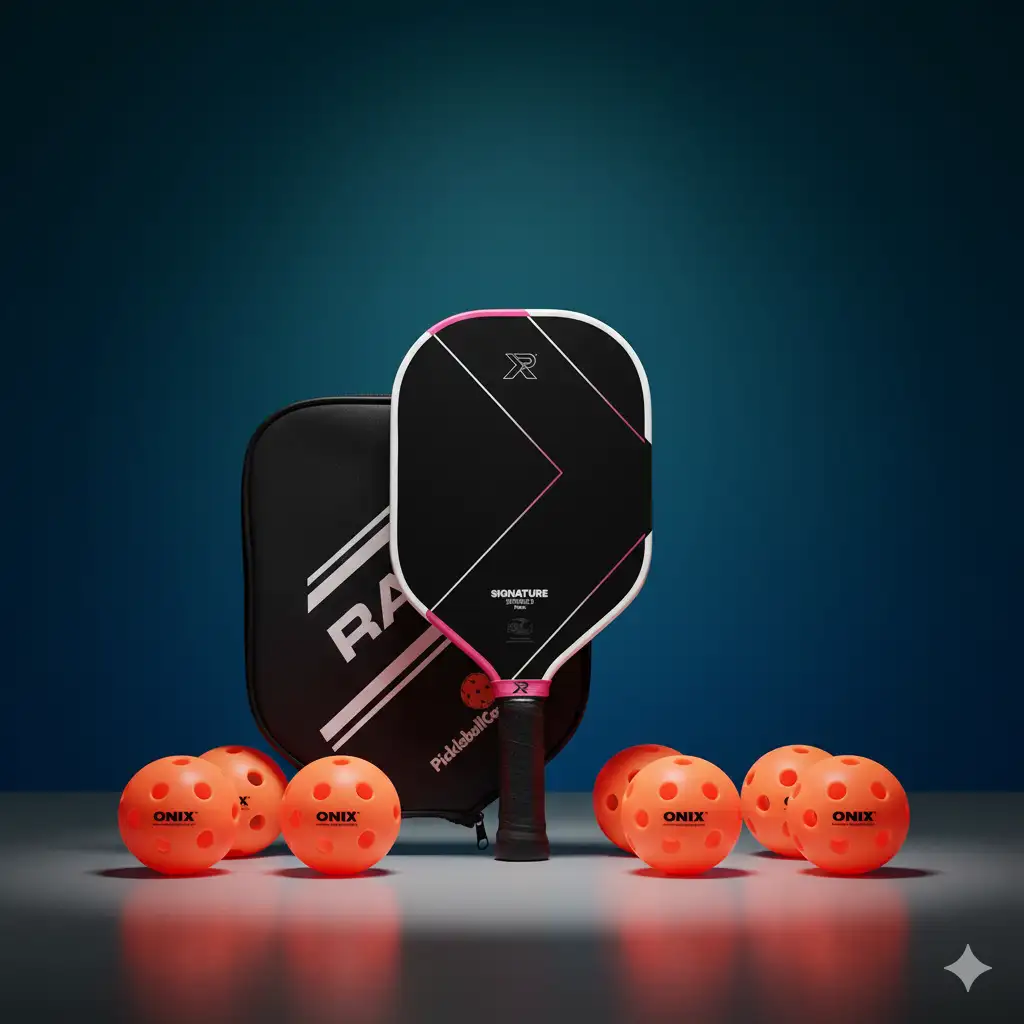
Played on a smaller court with lightweight paddles and a perforated plastic ball, the sport removes many of the barriers that typically prevent people from picking up a racket.
You do not need years of experience, athletic training, or a high level of fitness to get started.
The rules are simple, the learning curve is gentle, and the pace of play can be easily adjusted to suit any ability.
This accessibility is the foundation of pickleball’s appeal and the reason so many communities are embracing the sport.
A fun introduction to racket sports for young players
For younger players, pickleball is a perfect entry point into racket sports.
The smaller court size helps beginners understand spacing, footwork and shot selection without feeling overwhelmed.
Kids and teenagers appreciate that rallies last longer, which keeps them engaged and builds confidence.
Because the ball moves more slowly than a tennis ball, young players get immediate feedback on technique and control.
These early skills transfer brilliantly to other sports, making pickleball a valuable developmental tool.
Competitive and convenient for adults
Adults in their 20s, 30s and 40s are also embracing pickleball in huge numbers.
For this age group, the sport offers a rare combination of competitiveness and convenience.
Matches can be played in short bursts, and the game is intense enough to provide a genuine workout while still being enjoyable and low stress.
Players build cardiovascular fitness, improve agility and sharpen reflexes without the heavy impact that comes from running-based sports.
This makes pickleball ideal for people juggling work, family and social life because they can fit in meaningful exercise without needing hours at the gym.
A low impact lifeline for older players
One of the most compelling reasons pickleball has become such a phenomenon is its popularity among older adults.
Unlike tennis, the sport demands shorter movements, less explosive power and far less strain on joints.
Many players in their 50s, 60s and 70s find that they can play for longer periods without discomfort, which keeps them active both physically and mentally.
The hand eye coordination required helps maintain cognitive sharpness, while the social aspect fosters community and reduces feelings of isolation.
For many older players, pickleball has become more than a hobby. It is a lifestyle choice that improves health, mobility and emotional wellbeing.
The health benefits of pickleball extend far beyond age brackets.
Because the game involves constant movement, players enjoy improved cardiovascular health, better balance and increased muscle tone.
The lateral steps and occasional sprints help strengthen stabilising muscles that protect the knees and hips, which is especially important as people age.
The sport also burns calories at a steady rate, making it an excellent way to support weight management and overall fitness.
Unlike more punishing workouts, pickleball encourages consistency because it is fun. People want to come back day after day, which leads to long term health benefits.
A social sport that builds community
Beyond physical advantages, pickleball is a social sport at heart.
Most games are played in doubles, which encourages teamwork, communication and camaraderie.
Many clubs and local facilities run open play sessions where newcomers can integrate into friendly groups within minutes.
These social interactions are a major part of the sport’s appeal. For older adults, they combat loneliness; for younger adults, they create new friendships and for families, they make exercise a shared experience rather than an individual chore.
Adaptable for all abilities and fitness levels
Pickleball is also incredibly inclusive for people with mobility challenges or those returning from injury.
The sport can be adapted with slower-paced matches, modified footwork or softer play styles without diminishing the fun.
This flexibility allows players to stay engaged through different stages of life and maintain activity levels even when recovering from setbacks.
For people who may feel excluded from traditional fitness environments, pickleball offers a welcoming path back to regular movement.
Easy access and growing participation worldwide
The growth of pickleball has led to better facilities, more community courts and broader participation, which in turn makes it easier for newcomers to get involved.
Many leisure centres, parks and sports clubs now offer lessons and open sessions for beginners, so no one needs to feel intimidated when stepping onto the court for the first time.
Equipment is affordable and the sport requires minimal setup, making it one of the most accessible recreational activities available today.
A lifetime sport that keeps you moving
Ultimately, pickleball stands out because it brings people together, keeps them moving and adapts to every stage of life.
Whether you are a child discovering sport for the first time, a parent searching for a fun way to stay active or a senior looking for low-impact exercise, pickleball offers something for everyone.
Its blend of fitness enjoyment and community makes it the perfect lifelong sport, and its global growth suggests that millions more will soon discover the same benefits.
For those seeking a sport that is easy to learn, enjoyable to play and packed with physical and social rewards, pickleball is an ideal choice.
It proves that exercise does not need to be complicated or high intensity to be effective.
All you need is a paddle, a ball and a willingness to step on court. The rest takes care of itself.
British number one Aimee Gibson and her partner Alba Perez secured their second straight win at FIP Bronze Lyttos III this week.
This follows their FIP Silver Reap Hong Kong win last week to make it two wins in succession, an exciting feat for women’s padel, writes Sports News Blitz’s Shameeka Voyiya.
Celebrating back-to-back titles
This week, the CUPRA FIP Tour returned to Crete for the third time in 2025 with the FIP Bronze Lyttos III, featuring both the men’s and women’s draws.
In the women’s main draw, Perez (67) and Gibson (84) won the title, their second in a row after the FIP Silver Reap Hong Kong last week.
They won the final 6-0, 4-6, 6-2 against Monica Gomez (75) and Claudia Escacena (107), who had won the FIP Bronze Lyttos I in June.
“I’m over the moon to win back-to-back FIPs with Alba,” Aimee told The Padel Paper. “I can’t really believe it.
“We played a really good tournament with some tough matches along the way. We were able to play a really high level in the final even though it went to three sets.
“In the third set we played a little bit better than them and took a few more risks.”
The CUPRA FIP Tour is a professional, international tour of padel tournaments featuring many of the leading players across the world.
Formed in 2019, the CUPRA FIP Tour is just one step below the Premier Padel Tour and it’s where professional players begin as they hone their skills and continue to work up their rankings.
Gibson and Perez are now headed to a FIP Bronze in Bahrain, hoping to secure a title hat-trick before the left-handed Brit teams up with GB number two Catherine Rose at the inaugural LTA Padel National Championship in Bristol from December 4-7.
Gibson in top form
“I am so happy with the progress I’ve made in the last few months. Credit to Alex, my coach at Rocks Lane in London,” said Gibson.
“We don’t get to spend much time together and yet he’s able to help me when I’m back in the UK, even if it’s just for a couple of days in between tournaments. That’s really been helping my game improve.”
Gibson has been in top form this season since her rise in padel, making her way into the world’s top 100 after only turning pro in 2023.
The 34-year-old’s FIP Silver Reap Hong Kong win is her third FIP Silver title of the season, adding to her wins at the FIP Silver Australian Open and FIP Silver Melbourne.
Heineken® 0.0 has announced a multi-year partnership with Playtomic, the world’s largest racket-sports community, set to launch with an interactive event in December.
The partnership aims to provide the brands with a fresh approach to connecting padel players by curating bespoke experiences designed to reflect each brand’s shared belief in quality socialising, writes Sports News Blitz’s Shameeka Voyiya.
A core feature of the partnership will be Open Matches by Heineken® 0.0, an event designed to broaden padel players’ social networks by connecting them to each other, ultimately turning each padel game into a fresh experience.
The feature will be introduced in December at the launch event, set to take place in Barcelona, where the two brands will unveil a pop-up padel court open to the public.
With many padel players choosing to participate in the sport to meet new people, the event is set to celebrate the growing cultural presence and social nature of padel.
“Playtomic’s dedicated and vast community combined with Heineken’s commitment to quality socializing and refreshing beer will create memorable experiences for millions of players everywhere,” said Bram Westenbrink, Chief Commercial Officer for Heineken, in a press statement.
“Together, we’re building opportunities for players to meet and celebrate authentic moments in an environment that is rapidly growing around the world.”
Socialising is a core characteristic of padel that elevates the sport beyond competitiveness, with many players joining the sport for the social connections it fosters.
Antonio Robert, Managing Director at Playtomic, noted this when he said: “Padel is the fastest-growing sport, and by far the most social sport of our era.
“With so much potential to spark new connections through a game of padel, we’re delighted to have partnered with a global brand like Heineken® 0.0 who are so focused on helping people find others who share their passions.”
A partnership with a major brand like Heineken is a major milestone for the padel community, with Robert stating: “Heineken® 0.0 has recognised the potential in padel and Playtomic, and we want to turn every moment on and off the court into an experience that brings something new and exciting to padel players across the world.”
Playtomic is the world’s largest community for racket sports clubs and players.
Through its platform, users can search and book courts for padel, tennis or pickleball, connect with new players, find opponents, join groups and improve their skills.
There now are brand sponsorships, celebrity hosted events, official drink partnerships and luxury courts.
Padel is no longer just a sport, it is a lifestyle, writes Sports News Blitz’s padel journalist Vanely Barumire.
The racket sport, unknown to many parts of the world only a few years ago, is rapidly growing and changing the way people view sports and socialising.
So how has padel become a lifestyle not only to take part in but strive for?
Humble beginnings
Before padel became a global phenomenon, it was part of the culture in a few Spanish speaking nations.
Its popularity in Argentina and Spain was unmatched, explaining the incredible domination of the sports by the two countries.
Popularised in Europe by Spain, the country has always embraced and integrated padel into everyday life long before it was trendy to play the sport.
With it being the second most played sport in the country, behind football, padel in Spain is a lifestyle. It was created as a couple’s favourite pastime and has kept its charm.
The sport, as competitive as it is becoming, is about socialising – something millions of people are getting behind and adding to their daily routines.
Celebrity endorsement
Movie stars and influencers are the digital age’s best marketers.
Helping create a whole world around a product, celebrity endorsements are unmatched marketing tools and many have been a promoter for padel without realising it.
With big names such as Tom Holland, Jurgen Klopp, Lionel Messi and more linked to the sport, padel has become aspirational.
It is something people want to try as a way to understand how their favourite footballers use it to help with their mental health – or why their go-to influencer swears by it as the best new form of cardio.
Padel is slowly being integrated into the lives of people, at a rate that not many sports have done.
Many people’s love of sports is generational or from a young age, but padel, with an emphasis on accessibility, has come along and placed itself the ‘it’ sport.
And much of it has to do with the famous faces attached to it.
”It’s a way of connecting. It’s a way of feeling connected. It’s a whole new way of socialising;” says Andi Neugarten-Maio, founder of 6LoveSports. And she’s right.
Padel is becoming one of top choices for professional networking.
Its combination of a physical activity in a relaxed manner is replacing traditional pub setting for work catch-ups, especially in an era hyper focused on fitness and wellbeing.
Appealing to different demographics and ability, a padel court has become one of the go-to places for office catch-ups and socialising.
What was once just a fun sport is now part of the professional landscape and crucial for networking.
Social media
And, perhaps the popularity of padel as a lifestyle would not be possible without one thing – social media.
Lending itself well to the clean girl aesthetic of the last few years and embracing a more relaxed, wellbeing look at sport due to its social aspect, padel has taken over social media feeds.
Every other video, this summer, was about people trying padel for the first time or a player’s journey to becoming professional.
The racket sport has become a part of many young people’s lives, with 19% of players being Gen Zers and social media has helped promote it.