Winning a prize is exciting. Watching a live draw where someone else wins can feel just as thrilling. The countdown, the suspense, the anticipation before the winner is revealed taps into something uniquely human.
It is entertainment and emotional investment rolled into one moment. But why do so many people enjoy watching live prize draws even when they are not the ones winning? And why has the popularity of these events exploded across social media?
To understand the obsession, we have to look inside the human brain.
Here, MatchPoint Competitions writer Ben Phillips looks into the science behind what makes live draws so entertaining.
The thrill of the unknown
One of the strongest reasons live draws are so engaging is uncertainty. Humans are wired to respond to the unknown. Our brains release dopamine when we anticipate a reward, not just when we receive it.
When a live draw is underway, nobody knows who will win. Everyone watching feels that growing sense of possibility. The outcome could be anyone, and that open door triggers a powerful emotional response.
Even if you are not the entrant holding the winning number, your brain behaves as if you might be. That “what if” feeling keeps people watching until the final second.
Dopamine is often referred to as the pleasure chemical, but it is more accurate to call it the motivation chemical. It spikes when you want something and it spikes even more when the reward is unpredictable.
Live draws are unpredictable by design.
You watch the host pull tickets, shuffle entries or spin a digital generator. The moment before the winner is named is when dopamine peaks. This is the same chemical pattern we see in sports gambling and competitive games. It keeps people engaged because their brain wants closure.
Your brain does not want the story to end until the winner is revealed.
The power of shared experience
Another key reason live draws have become modern entertainment is community connection. Watching a win together is a social moment.
When hundreds or thousands watch a draw live, they are sharing one event in real time. Viewers comment, laugh, react and build excitement with others who are feeling the same thing. This creates a sense of belonging, something people naturally crave.
Oxytocin, the bonding hormone, is released during positive shared experiences. Applause comments, cheering emojis and real-time reactions strengthen that connection. The win becomes a group celebration, not just an individual one.
This is why many people say they enjoy the draw even if they do not take home the prize.
Live reactions make winning feel real
Seeing a winner celebrate live has a big emotional impact. It is authentic, spontaneous and unfiltered.
A post announcing a winner feels final and distant. A live draw feels alive. You see shaking hands, tears, smiles, disbelief and laughter. You witness the moment someone’s day, week or year changes.
That human reaction matters. Mirror neurons in the brain allow us to feel part of another person’s victory. When someone else celebrates, our brain briefly feels their joy too. Live draws turn strangers into shared winners.
Transparency builds trust
Another reason people love watching live draws is transparency. Viewers can see the process as it happens. No hidden steps, no questions, no mystery behind the scenes.
Trust is everything in prize competitions. A live draw proves fairness in real time. It shows that anyone truly can win. For competition platforms, this is essential. For viewers, it is reassurance wrapped in entertainment.
The Countdown Effect
The moment before a draw begins is often the most intense. The countdown, the reminders, the notifications all trigger anticipation.
Anticipation is a powerful emotional state. It builds energy, excitement and hope. Viewers tune in early, refresh the page and chat in the live comments because the build-up is as enjoyable as the outcome.
Just like a big sporting final or a TV talent show finale, the tension makes the result feel bigger.
Why we keep watching even if we lose
Not everyone wins. In fact, most people tuning in do not. Yet they return for the next draw and the one after that. Why?
There are three main psychological reasons:
1. The hope factor Next time could be your time. Hope releases dopamine, which keeps people engaged.
2. The entertainment value Live draws are fast, social and interactive. They are a form of leisure, not just a competition result.
3. The feel-good effect Seeing winners react with joy triggers empathy and uplift. It feels good to witness happiness.
Live draws give viewers emotional reward without needing to win themselves.
The future of live draw culture
Prize draws have moved from static announcements to dynamic broadcasts. TikTok, Instagram, YouTube and Facebook Live have transformed the experience into digital theatre.
The modern audience does not just want to know who wins. They want to see it happen, hear it happen and feel part of the moment. They do not want a headline; they want the heartbeat.
As online competitions continue to grow, live draws will sit at the very centre. They deliver excitement, community trust, entertainment and emotion in one package. That combination is powerful and very difficult to replace.
Final thought: It is human nature
We love live draws because they activate everything that makes us human: Curiosity, excitement, empathy, social connection and hope. It is the suspense before the reveal, the flood of emotion afterwards and the shared atmosphere in between.
Whether you watch for the thrill, the entertainment, or simply to be part of something real, one thing is certain. Live draws are more than chance. They are storytelling fuelled by chemistry and community. And that is why we keep coming back.
Winning a prize feels amazing. Whether it is a new gadget, a holiday, a dream car, or that life-changing phone call or email, the emotional rush can last for days.
But why does it feel so good and what is actually happening inside your brain when you win?
For us, understanding the science behind that winning feeling helps explain why competitions are so exciting and why people love the thrill of taking part.
Here, MatchPoint Competitions writer, Ben Phillips, provides a simple breakdown of the brain chemicals, emotions and behaviours that switch on the moment you become a winner.
The instant rush: Dopamine takes over
The first thing that fires up when you win a prize is your brain’s reward system. At the heart of this process is dopamine, the neurotransmitter often known as the feel-good chemical.
Dopamine surges when you expect a reward and it peaks when the reward is actually delivered.
Winning a prize is one of the strongest triggers because it combines surprise, excitement and personal achievement all at once.
This is why winners often describe feeling lightheaded, buzzing or even temporarily overwhelmed.
For competition entrants, this dopamine hit is what makes the experience so memorable.
It is also a key part of why people love entering again. Your brain remembers the excitement and wants to chase that feeling once more.
The power of anticipation: Why waiting feels so big
Long before the winner is announced, your brain is already involved.
The anticipation stage is one of the most powerful parts of the reward cycle. When you enter a competition, your brain begins to imagine winning.
That imagination triggers mini dopamine pulses, which keep you excited and engaged.
This is why even before the real results arrive, people enjoy checking updates, watching live draws and following along on social media. It is the buildup that makes the final win feel even bigger.
For MatchPoint Competitions, this anticipation effect is a huge reason why live draws and regular updates are so popular. You feel part of the story before the result is even known.
The emotional explosion: Adrenaline and endorphins
Alongside dopamine, your body releases adrenaline when you win.
This explains the racing heart, shaky hands and sudden burst of energy that winners often show.
Adrenaline is part of the fight or flight response, but in positive moments, it creates excitement and sharp focus. It makes the win feel powerful and unforgettable.
Then come the endorphins. These are natural pain relievers that the body releases during moments of joy and emotional shock. Endorphins help create that warm, glowing feeling that winners often describe as surreal or dreamlike.
This combination of chemicals creates the emotional explosion that makes winning feel like nothing else.
The social effect: Why sharing your win matters
Humans are social creatures and our brains are built to celebrate with others.
When you win a prize, your brain releases oxytocin, the bonding hormone.
It strengthens the need to share your news with family, friends and followers.
Sharing the moment boosts the emotional high even more because it is met with praise and congratulations.
This is why videos of winners celebrating always feel so heartwarming. You are seeing the brain’s social reward systems in action. It also explains why competition winners often become part of a community and continue to follow future draws. The experience is more than a prize. It is a shared memory.
The confidence boost: How winning changes behaviour
Winning a prize, even a small one, can shift how you see yourself. Studies show that success boosts confidence, decision making and motivation. This is known as the winner effect.
When you win, your brain strengthens neural pathways associated with achievement.
This makes you more likely to try again, take positive risks and pursue new goals. A simple win can have a surprisingly big impact on how you behave in the days or weeks that follow.
For competition players, this might mean entering more draws, believing in their chances or feeling more optimistic in daily life.
Why winning feels better than buying
One question many people ask is why winning a prize feels different from saving up and buying the same thing.
The reason is the emotional journey.
Buying something is a planned process with little surprise. Winning is unexpected. The brain reacts far more strongly to unexpected rewards.
Dopamine spikes higher, adrenaline hits faster and the emotional reaction becomes more intense.
That is why people describe a win as life-changing. It is not just the prize. It is the shock, the excitement and the rush that make it special.
The feel-good cycle: Why competitions keep us coming back
Competitions give the brain a complete reward cycle from anticipation to excitement to emotional release. This cycle is naturally satisfying, and your brain remembers it.
When you enter again, you are not just hoping to win a prize.
You are recreating an experience. The brain loves patterns and repetition, so entering competitions becomes an enjoyable routine even before the result is known.
MatchPoint Competitions uses this understanding to create positive, responsible and fun experiences.
Transparent draws frequent prizes and community engagement helps keep the cycle enjoyable and healthy.
Final thoughts: The science behind that winning feeling
Winning a prize triggers one of the strongest natural highs the brain can produce.
From dopamine to adrenaline to oxytocin, the body floods with chemicals designed to reward joy, excitement and achievement.
Understanding what happens inside the brain helps explain why competitions are so thrilling, why winners never forget the moment and why people love taking part. It is not just the prize.
It is the science of happiness and the shared excitement that makes the whole experience feel magical.
Padel is one of the fastest growing sports in the UK. Its mix of energy, social play, and accessibility has made it a hit across cities and clubs nationwide.
Yet in Bath, the sport has run into unexpected resistance. MatchPoint competitions writer Josh Foster takes a deeper dive into the matter.
The rise of padel and Bath’s sudden halt
Across Britain, padel courts are appearing in record numbers. Players love its fast-paced rallies and social atmosphere. But in Bath, local authorities have taken a different approach.
Recent proposals to build padel courts, including those at Odd Down Sports Ground and the Lansdown Tennis, Squash & Croquet Club, have been refused by Bath and North East Somerset Council.
The result: no approved padel facilities anywhere in the city.
Why were the courts rejected?
The council’s main concern is noise.
Padel produces sharper, higher-impact sounds than tennis, with players hitting off walls and exchanging quick volleys.
Residents living close to proposed court sites described the sound as “gunfire-like” and “unbearable” in planning objections.
One application placed courts just 3.5 metres from neighbouring homes. Environmental noise assessments suggested that the impact could exceed accepted limits, prompting planners to reject multiple proposals.
Officials also cited worries over mental wellbeing and disruption to local tranquillity, all key factors under UK planning and noise regulation standards.
Technically, Bath has not banned padel. There’s no official policy outlawing the sport.
Instead, the city has created what players and operators call a “planning blockade.” Every recent application for padel courts has been turned down due to location and noise concerns.
This means no new padel developments can proceed unless a design meets strict acoustic and environmental criteria.
Developers say they are working on revised proposals with improved sound insulation and greater distance from homes.
Reaction from the padel community
The local padel community has voiced disappointment, calling the situation a setback for one of the UK’s most promising emerging sports.
Many argue that noise mitigation technology and better site planning could easily address residents’ concerns.
Padel UK representatives note that similar challenges have been resolved in other cities through acoustic barriers, enclosed structures, and advanced court surfacing.
They hope Bath’s restrictions will eventually ease once new solutions are presented.
What’s next for padel in Bath?
Until new proposals pass the planning stage, padel players in Bath will need to travel to nearby towns to play. The demand remains high, and interest in the sport continues to grow nationally.
The issue in Bath highlights a broader question facing UK cities: how to balance community peace with sporting progress. With careful planning, acoustic design, and cooperation between developers and residents, padel could yet find its place in Bath.
Conclusion
Padel’s rise across the UK shows no signs of slowing. But Bath’s experience is a reminder that even popular new sports must navigate local sensitivities.
For now, the “Bath padel ban” stands as a planning story and not a sporting one. Whether it becomes a lasting barrier or a temporary pause will depend on how well the next generation of proposals can blend performance with peace.
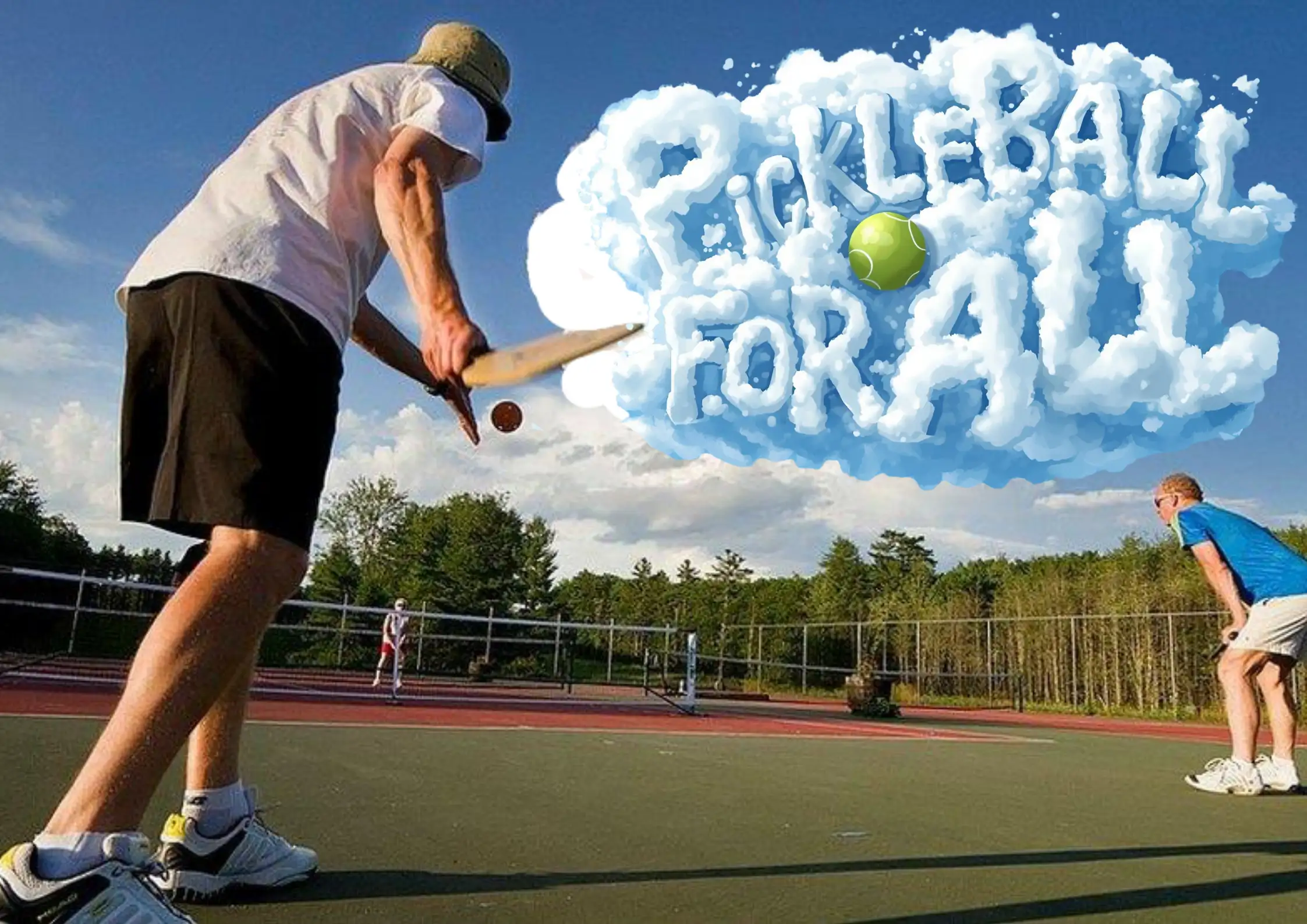
Pickleball has exploded in popularity worldwide, and its rise shows no sign of slowing.
The sport combines elements of tennis, badminton and table tennis yet stands apart for its unique accessibility.
Whether you are an energetic teenager, a busy parent or someone enjoying life well beyond retirement age, pickleball offers a level playing field that few sports can match.
It is this universal appeal that makes pickleball one of the best ways to stay active, remain social, and enjoy regular exercise, no matter how old you are.
Here, MatchPoint Competitions writer, Ben Phillips, analyses what makes Pickleball a brilliant sport for every age group
At its core, pickleball is designed to be inclusive.
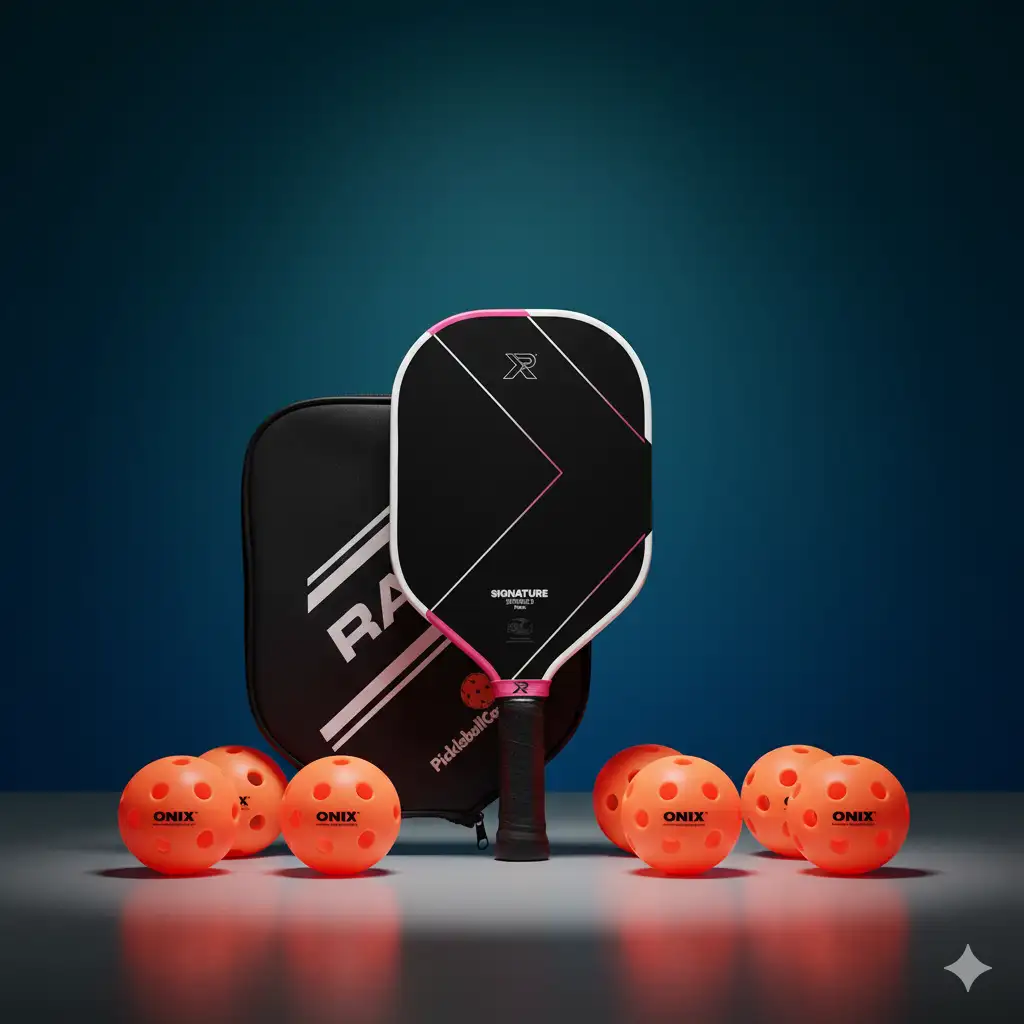
Played on a smaller court with lightweight paddles and a perforated plastic ball, the sport removes many of the barriers that typically prevent people from picking up a racket.
You do not need years of experience, athletic training, or a high level of fitness to get started.
The rules are simple, the learning curve is gentle, and the pace of play can be easily adjusted to suit any ability.
This accessibility is the foundation of pickleball’s appeal and the reason so many communities are embracing the sport.
A fun introduction to racket sports for young players
For younger players, pickleball is a perfect entry point into racket sports.
The smaller court size helps beginners understand spacing, footwork and shot selection without feeling overwhelmed.
Kids and teenagers appreciate that rallies last longer, which keeps them engaged and builds confidence.
Because the ball moves more slowly than a tennis ball, young players get immediate feedback on technique and control.
These early skills transfer brilliantly to other sports, making pickleball a valuable developmental tool.
Competitive and convenient for adults
Adults in their 20s, 30s and 40s are also embracing pickleball in huge numbers.
For this age group, the sport offers a rare combination of competitiveness and convenience.
Matches can be played in short bursts, and the game is intense enough to provide a genuine workout while still being enjoyable and low stress.
Players build cardiovascular fitness, improve agility and sharpen reflexes without the heavy impact that comes from running-based sports.
This makes pickleball ideal for people juggling work, family and social life because they can fit in meaningful exercise without needing hours at the gym.
A low impact lifeline for older players
One of the most compelling reasons pickleball has become such a phenomenon is its popularity among older adults.
Unlike tennis, the sport demands shorter movements, less explosive power and far less strain on joints.
Many players in their 50s, 60s and 70s find that they can play for longer periods without discomfort, which keeps them active both physically and mentally.
The hand eye coordination required helps maintain cognitive sharpness, while the social aspect fosters community and reduces feelings of isolation.
For many older players, pickleball has become more than a hobby. It is a lifestyle choice that improves health, mobility and emotional wellbeing.
The health benefits of pickleball extend far beyond age brackets.
Because the game involves constant movement, players enjoy improved cardiovascular health, better balance and increased muscle tone.
The lateral steps and occasional sprints help strengthen stabilising muscles that protect the knees and hips, which is especially important as people age.
The sport also burns calories at a steady rate, making it an excellent way to support weight management and overall fitness.
Unlike more punishing workouts, pickleball encourages consistency because it is fun. People want to come back day after day, which leads to long term health benefits.
A social sport that builds community
Beyond physical advantages, pickleball is a social sport at heart.
Most games are played in doubles, which encourages teamwork, communication and camaraderie.
Many clubs and local facilities run open play sessions where newcomers can integrate into friendly groups within minutes.
These social interactions are a major part of the sport’s appeal. For older adults, they combat loneliness; for younger adults, they create new friendships and for families, they make exercise a shared experience rather than an individual chore.
Adaptable for all abilities and fitness levels
Pickleball is also incredibly inclusive for people with mobility challenges or those returning from injury.
The sport can be adapted with slower-paced matches, modified footwork or softer play styles without diminishing the fun.
This flexibility allows players to stay engaged through different stages of life and maintain activity levels even when recovering from setbacks.
For people who may feel excluded from traditional fitness environments, pickleball offers a welcoming path back to regular movement.
Easy access and growing participation worldwide
The growth of pickleball has led to better facilities, more community courts and broader participation, which in turn makes it easier for newcomers to get involved.
Many leisure centres, parks and sports clubs now offer lessons and open sessions for beginners, so no one needs to feel intimidated when stepping onto the court for the first time.
Equipment is affordable and the sport requires minimal setup, making it one of the most accessible recreational activities available today.
A lifetime sport that keeps you moving
Ultimately, pickleball stands out because it brings people together, keeps them moving and adapts to every stage of life.
Whether you are a child discovering sport for the first time, a parent searching for a fun way to stay active or a senior looking for low-impact exercise, pickleball offers something for everyone.
Its blend of fitness enjoyment and community makes it the perfect lifelong sport, and its global growth suggests that millions more will soon discover the same benefits.
For those seeking a sport that is easy to learn, enjoyable to play and packed with physical and social rewards, pickleball is an ideal choice.
It proves that exercise does not need to be complicated or high intensity to be effective.
All you need is a paddle, a ball and a willingness to step on court. The rest takes care of itself.
Tennis is one of the world’s most popular racket sports, played by millions across the globe, writes MatchPoint Competitions writer Joshua Foster.
What is tennis?
Whether it’s on grass, clay, or hard courts, the aim is simple: hit the ball over the net into your opponent’s court in a way they can’t return it.
Played as singles (one-on-one) or doubles (two-on-two), tennis combines physical skill, strategy, and endurance, making it a sport for life.
The basic rules of tennis
1. How a point starts
Every point begins with a serve.
The server must stand behind the baseline.
The serve is hit diagonally into the opposite service box.
The ball must land inside the correct box to be valid.
Players get two serves per point, a first serve and, if needed, a second serve.
If the ball hits the net but still lands in the correct service box, it’s called a let serve, and the serve is replayed.
2. Scoring system
Tennis uses a traditional point-based scoring system:
0 = Love
1st point = 15
2nd point = 30
3rd point = 40
4th point = Game (must lead by two points)
If the score reaches 40–40, it’s called deuce. From deuce, a player must win two consecutive points, one to gain advantage, and one to win the game.
A set is won by the first player to win 6 games (with a 2-game lead). If the score reaches 6–6, a tiebreak is usually played to 7 points. A Match is typically best of 3 sets (women) or 5 sets (men in major tournaments).
3. Serving rules
The server must keep both feet behind the baseline until contact.
The ball must land in the diagonal service box.
Players alternate serving sides (right to left) each point.
In doubles, the server serves from behind the right-hand court and must hit diagonally to the opponent’s correct service box.
4. During play
Once the serve is successful, the rally begins. Players can hit:
Groundstrokes (after one bounce).
Volleys (in the air before the bounce).
Lobs, slices, and drop shots are all legal tactics.
The ball must land inside the lines of the opponent’s court. A shot landing on the line is considered in.
MatchPoint Competitions writer Joshua Foster, who works with the UK’s home of padel, tennis & pickleball competitions, provides a guide to all the rules for pickleball.
What is pickleball?
Pickleball is one of the fastest-growing racket sports in the UK and worldwide. It blends the best of tennis, badminton, and table tennis into a fun, fast-paced game that anyone can play.
Played on a small court with paddles and a perforated plastic ball, pickleball is easy to learn but offers plenty of tactical depth for competitive players.
The basic rules of pickleball
1. How to start a point
Each rally begins with an underhand serve.
The ball must be struck below the waist and hit diagonally across the court.
The serve must clear the non-volley zone (also called the kitchen).
The serve must land in the opposite service box.
Each player gets one serve attempt, except if the ball touches the net and lands in the correct box then it’s a let serve.
2. Scoring system
Pickleball uses a unique rally scoring system where:
Only the serving side can win points.
Games are typically played to 11 points, and a team must win by two points.
In tournament play, games may go to 15 or 21 points.
A typical score is announced as the server’s score – receiver’s score – server number (e.g. “4–2–1”).
3. Double-bounce rule
After the serve, both teams must let the ball bounce once before volleying:
The receiving team must let the serve bounce.
The serving team must let the return bounce before playing it.
After these two bounces, players may volley or play off the bounce freely.
Matchpoint competitions writer Joshua Foster, a member of the UK’s home of padel, tennis & pickleball competitions, provides all you need to know about padel, one of the most popular sports on the planet.
What is padel?
Padel is one of the fastest-growing racket sports in the world, combining the strategy of tennis with the fun and pace of squash.
Played in doubles on an enclosed court surrounded by glass and mesh walls, padel offers a fast, social, and tactical way to stay active.
The basic rules of padel
1. How to start a point
Play begins with an underarm serve.
The server must let the ball bounce once before hitting it.
The serve must land diagonally in the opponent’s service box.
The ball must be below waist height when struck.
If the ball hits the side fence before bouncing, it’s a fault.
Each player gets two serves, just like in tennis.
2. Scoring system
Padel uses the same scoring system as tennis:
15, 30, 40, game.
A set is won by the first team to reach six games with at least a two-game lead.
If the score reaches 6–6, a seven-point tiebreak decides the set.
Matches are typically best of three sets.
3. Using the walls
One of the most unique padel rules is that players can use the walls.
The ball can bounce off the glass after hitting the ground.
Players can return the ball after it rebounds off their own wall, similar to squash.
However, the ball must not hit the fence directly; it must bounce first.
This adds a tactical layer that rewards positioning, anticipation, and creativity.
4. Serving rules in detail
The server must stand behind the service line.
Both feet must stay behind the line until the ball is hit.
The serve must land diagonally in the opponent’s box.
The ball may touch the glass wall after landing in the box; this is legal.
Racket sports like tennis, padel, squash, badminton and pickleball are more than just fun activities; they are powerful tools for improving both mental health and physical fitness.
Whether you’re a beginner picking up a padel bat for the first time or a seasoned tennis player, the benefits extend far beyond the court for all walks of life.
Here MatchPoint Competitions writer Joshua Foster looks further into the benefits of playing racket sports.
Improves physical fitness
Playing racket sports is a full-body workout. Quick sprints, lateral movements, and powerful swings build cardiovascular endurance, muscle strength, agility, and coordination.
Unlike repetitive gym routines, the fast-paced and varied movements in sports like tennis and padel keep workouts engaging while burning calories effectively.
Reduces stress and anxiety
Racket sports are proven to release endorphins, the body’s natural “feel-good” chemicals.
The combination of exercise and social interaction lowers stress levels, reduces anxiety, and improves overall mood.
Concentrating on the game also provides a mental break from daily worries, promoting mindfulness and presence.
Boosts brain function
These sports require quick decision-making, strategy, and hand-eye coordination, which stimulate the brain and improve cognitive skills.
Regularly engaging in activities like padel or pickleball has been linked to better memory, sharper focus, and even reduced risk of cognitive decline with age.
Most racket sports are either doubles-based or played in a community setting.
Joining a club or group creates opportunities for social bonding, combating feelings of loneliness or isolation.
A strong support network is a key factor in maintaining long-term mental well-being.
Builds resilience and confidence
Learning new skills, improving performance, and competing, whether casually or seriously, builds self-confidence and mental resilience.
Overcoming challenges on the court often translates into greater determination and problem-solving ability in everyday life.
Supports healthy aging
For older adults, racket sports provide a safe and enjoyable way to stay active.
They improve balance, flexibility, and reaction time, helping to prevent injuries while keeping the mind sharp and engaged.
Final thoughts
From boosting cardiovascular fitness to enhancing emotional well-being, racket sports deliver the whole health package.
A combination of physical activity, mental stimulation, and social connection, sports like tennis, padel, and pickleball are powerful allies for a healthier body and a happier mind.
Tennis, padel and pickleball are all enjoying surges in popularity across the globe
But what are the main differences between the three sports? MatchPoint Competitions writer Joshua Foster takes a look here…
Court and playing area
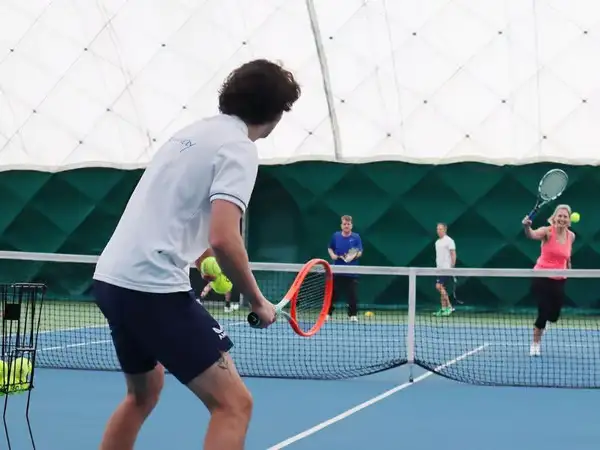
Players play tennis on a larger court (23.77m x 8.23m for singles) with different surfaces such as clay, grass, or hard courts.
In padel, players use a smaller, enclosed court (20m x 10m) surrounded by glass and mesh walls, which allows the ball to bounce back and create dynamic rallies.
Pickleball uses the smallest court (13.41m x 6.10m), similar in size to badminton, with a low net and no walls.
Tennis players use strung rackets and pressurized balls. Power and spin play a big role in the ability to play the game, as well as physical conditioning.
Padel players use solid, perforated, stringless rackets made mostly from carbon fibre, and the balls have slightly lower pressure than standard tennis balls.
Pickleball involves a paddle similar to a large table tennis bat with a perforated plastic ball called a wiffle, which makes the game much slower and more tactical.
Style of play
Tennis emphasizes speed, athleticism, and endurance, with long baseline rallies and strong serves playing a role in the level of your ability.
Padel blends tennis and squash. Walls extend rallies, encouraging strategy, teamwork and clever shot placement and the ability to predict bounces from the glass and cage walls.
The “kitchen” (non-volley zone) rules encourage dinks, drop shots, and precision over brute force.
Accessibilty
Tennis can be physically demanding and has a steeper learning curve, with many people taking years to perfect the art of playing.
Padel is easier for beginners since rallies last longer and power is less important. Many courts are available to the public, making it easier to start.
Pickleball is considered the most beginner-friendly, popular among all ages, especially seniors, with physical conditions not affecting people’s ability to play at a social level.
Final thoughts
When comparing Tennis vs padel vs pickleball, the right choice depends on your goals.
Argentinian soccer legend Diego Maradona was famously known for his impressive skills on the field, but very few knew about his skills with the padel racket, a sport that he was just as excellent in.
Maradona was one of the first padel players to take up the sport before its rise in popularity, and in 1992 he became its first international ambassador, writes Sports News Blitz’s Shameeka Voyiya.
Passion for Padel
“Maradona played padel, he was a phenomenon, and he was right-handed. One day I played with him, and when I scored a point, he would say: ‘What a phenomenal point you made!’ And I was thinking: ‘El Diego is saying that to me!’” Nito Brea, former player and renowned coach and father of current star Delfina Brea told beIN SPORTS.
According to beIN SPORTS, Maradona’s passion for padel spurred the sport’s visibility and recognition on an international level, where he was spotted playing in locations including Madrid, Spain.
“He loved padel, his two daughters played padel,” Philippe Werts, the former member of the Belgian team and President of the Padel Federation, told Padel Magazine.
“As for him we were players of the national padel team, it made our meeting easier, in addition our padel coach, Lucas Swinnen who also installed the first padel courts in Belgium, was Argentinian and from the same area as him, he spoke the same dialect,” he added.
Even Maradona’s son, Diego Maradona Jr., confirmed in several interviews that padel wasn’t just a hobby for his father, but a fundamental part of his training routine.
“My father was very good at it. He played twice a week. We are a family that loves this sport,” he said.
Maradona appeared as a star guest at the first Padel World Championship in 1992 held in Madrid.
He even skipped a pre-match camp ahead of his debut against Bayern Munich to support the team and ended up as a co-commentator during the final on live television.
History of padel
Padel originated in Mexico in 1969 when Mexican businessman Enrique Corcuera built a walled court in his backyard to play a game similar to tennis and squash.
The sport moved to Spain in 1974 when Prince Alfonso of Hohenhole built two courts at his Marbella Club Hotel.
The first participants at the Padel World Championships included Argentina, Spain, UK and France, and in 1993, the Sports Council of Spain recognised ‘paddle’ as a sport and changed the name to ‘padel’ due to Spanish pronunciation.